upper body
US
・UK
A1
n.NounThe part of the body above the waist, including the chest, back, shoulders, and arms.
He has a strong upper body from years of swimming.
Video subtitles
"Attention All Passengers" - Trevor Noah - (Crazy Normal) LONGER RE-RELEASE

- It's freaky, Its almost like the lower half is not connected to the upper body.
It's freaky, Its almost like the lower half is not connected to the upper body.
- It's almost like their lower half is not connected to the upper body.
It's almost like their lower half is not connected to the upper body.
Why Nvidia, Tesla, Amazon And More Are Betting Big On AI-Powered Humanoid Robots

- Robots with legs, the upper body, including the hands, have to be very weak and light.
Robots with legs, the upper body, including the hands, have to be very weak and light.
- And because we made that trade off, we can build very powerful, very precise, very fast motors in the upper body.
And because we made that trade off, we can build very powerful, very precise, very fast motors in the upper body.
8 EASY SNOWBOARD TRICKS TO LOOK COOL
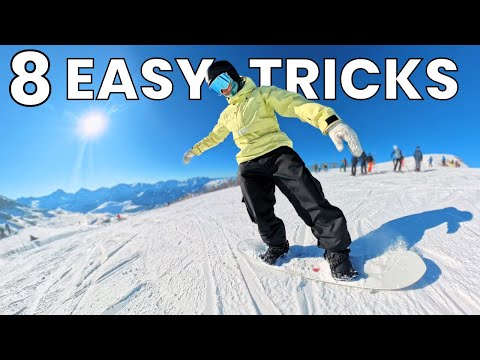
- Then rotate your upper body back around in the direction you want to spin and as you do this shift your weight over your back foot.
Then rotate your upper body back around in the direction you want to spin and as you do this shift your weight over your back foot.
- Then rotate your upper body back around in the direction you want to spin,
Then rotate your upper body back around in the direction you want to spin,
How Knee Steering can Work with Carving
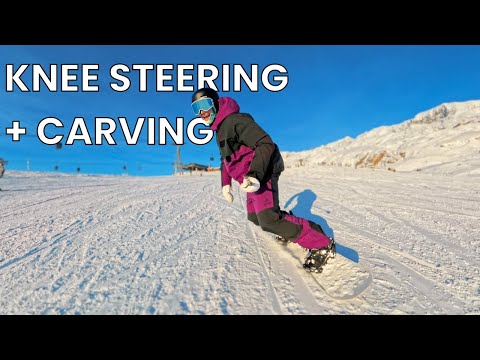
- You get this kind of one-two, one-two, front leg, back leg, front leg, back leg movement and it's normally associated with the type of turns I was just doing there, the shorter turns like that because when you open up that front knee you can really pull yourself around into the turn, it creates a bit of rotation through your upper body where you turn ahead of the board and then it's kind of unwind that rotation and you can really encourage the board to pull around through the turn in a over the board as one big unit like that and right now I'm just moving both my knees, hips together and I am still carving pretty well but you can bring knee steering into your carving as I mentioned at the top to get a little bit more performance out of the board.
You get this kind of one-two, one-two, front leg, back leg, front leg, back leg movement and it's normally associated with the type of turns I was just doing there, the shorter turns like that because when you open up that front knee you can really pull yourself around into the turn, it creates a bit of rotation through your upper body where you turn ahead of the board and then it's kind of unwind that rotation and you can really encourage the board to pull around through the turn in a over the board as one big unit like that and right now I'm just moving both my knees, hips together and I am still carving pretty well but you can bring knee steering into your carving as I mentioned at the top to get a little bit more performance out of the board.
- It creates a bit of rotation through your upper body where you turn ahead of the board,
It creates a bit of rotation through your upper body where you turn ahead of the board,
Advanced Snowboard Carving with Ryan Knapton
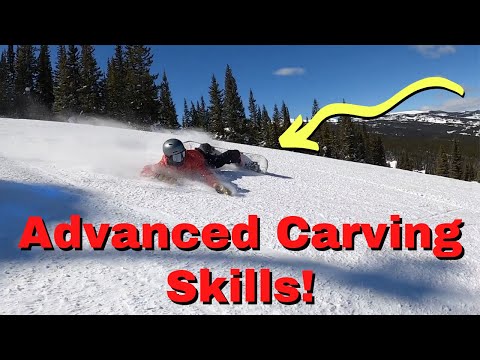
- The board just wants to do something and that's the beauty of the car But the board just naturally doing what it wants to do and you figuring out with your upper body how to squish yourself into the right Position to allow it to just let it do what it wants to do To kind of add on that it's sick because I can go at low speeds and figure out my body positions without the high Consequences as I get super stoked and feel confident in my ability to get low and be dynamic Then I just add a little bit more speed to make it a little bit more fun I want to do that for both my toe side and my heel side carves and I personally like toe sides more Probably because it's way easier, but your heel sides are insane and we love you So now that we've taken our body got squished down wherever the lean against the hill now We're gonna step this up a little bit because this is an advanced tutorial We are going to do the challenge of taking our back knee Pressing our back knee over our toe and we're gonna touch the snow Now the goal is not to slam our knee into the snow and blow out our kneecap I've actually broken my kneecap.
The board just wants to do something and that's the beauty of the car But the board just naturally doing what it wants to do and you figuring out with your upper body how to squish yourself into the right Position to allow it to just let it do what it wants to do To kind of add on that it's sick because I can go at low speeds and figure out my body positions without the high Consequences as I get super stoked and feel confident in my ability to get low and be dynamic Then I just add a little bit more speed to make it a little bit more fun I want to do that for both my toe side and my heel side carves and I personally like toe sides more Probably because it's way easier, but your heel sides are insane and we love you So now that we've taken our body got squished down wherever the lean against the hill now We're gonna step this up a little bit because this is an advanced tutorial We are going to do the challenge of taking our back knee Pressing our back knee over our toe and we're gonna touch the snow Now the goal is not to slam our knee into the snow and blow out our kneecap I've actually broken my kneecap.
- and you figuring out with your upper body how to squish yourself into the right position to allow it to just let it do what it wants to do.
and you figuring out with your upper body how to squish yourself into the right position to allow it to just let it do what it wants to do.
When he's way fitter than you ??? Elena Gabrielle

- And I wanted to jump this guy, but he was six foot three, you know, Popeye, with no neck, and I don't have the upper body strength, so I was like, I'll just stay at this level.
And I wanted to jump this guy, but he was six foot three, you know, Popeye, with no neck, and I don't have the upper body strength, so I was like, I'll just stay at this level.
- and I don't have the upper body strength.
and I don't have the upper body strength.
「バレエ」の技を21のレベルで実演 | Levels | WIRED Japan
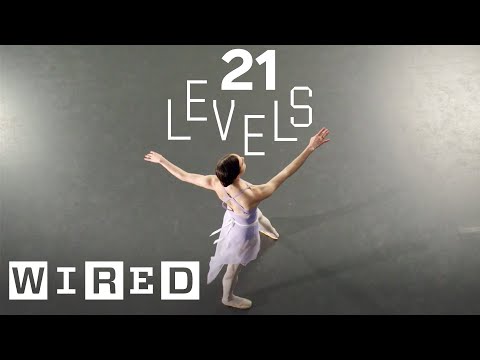
- Petite allegro is super complicated and you need a lot of coordination from your upper body, your port de bras, and your lower legs to be able to do this quick movement and give the audience an impression that it's super light and super easy.
Petite allegro is super complicated and you need a lot of coordination from your upper body, your port de bras, and your lower legs to be able to do this quick movement and give the audience an impression that it's super light and super easy.
- and you need a lot of coordination from your upper body, your part of, and
and you need a lot of coordination from your upper body, your part of, and
Conversation Lesson: Speaking English in REAL LIFE | Let’s Bake Bread Together!

- This is the closest to kneading that we're going to get, which is nice because kneading takes a lot of time and is honestly kind of physically challenging if you're not the strongest with your upper body strength.
This is the closest to kneading that we're going to get, which is nice because kneading takes a lot of time and is honestly kind of physically challenging if you're not the strongest with your upper body strength.
- If you're not the strongest with your upper body strength.
If you're not the strongest with your upper body strength.
HCC 1475-4 - Stomach - Pathology Endoscopy Findings
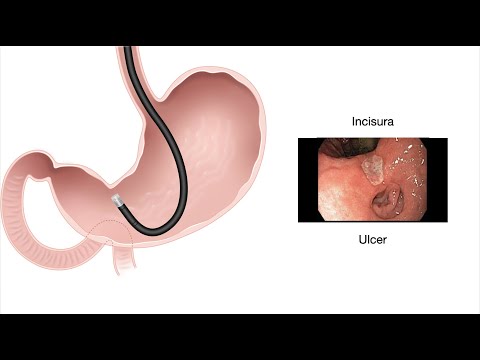
- So here we emptied the stomach and you see a nice normal upper body of the stomach with a clean gastric rugal force.
So here we emptied the stomach and you see a nice normal upper body of the stomach with a clean gastric rugal force.
- So, so here we emptied the stomach and you see a nice normal upper body of the stomach with a clean gastric rugal folds.
So, so here we emptied the stomach and you see a nice normal upper body of the stomach with a clean gastric rugal folds.
The Official Squat Form Checklist [Are You Squatting Wrong?]
![The Official Squat Form Checklist [Are You Squatting Wrong?]](https://img.youtube.com/vi/Uv_DKDl7EjA/hqdefault.jpg)
- So whenever we get under a barbell, we want to create a tremendous amount of tension in our upper body and lower body, create that stiffness in our core, and then stand up at the barbell.
So whenever we get under a barbell, we want to create a tremendous amount of tension in our upper body and lower body, create that stiffness in our core, and then stand up at the barbell.
- So whenever we get under a barbell, we want to create a tremendous amount of tension in our upper body and lower body, create that stiffness in our core,
So whenever we get under a barbell, we want to create a tremendous amount of tension in our upper body and lower body, create that stiffness in our core,